10 Critical Steps for Safety and Readiness
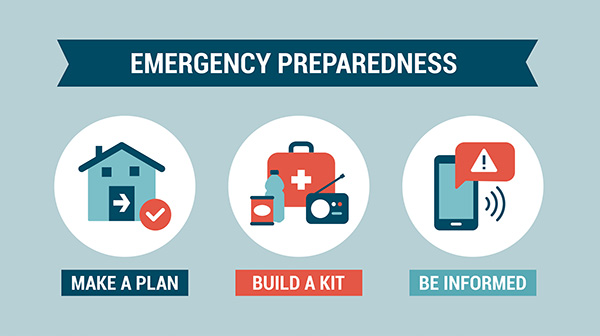
At Gleaning For The World, we know how fast disaster can strike, and how overwhelming it can feel when it does. But by preparing in advance, you can significantly improve your family’s ability to stay safe, stay together, and recover more quickly. Whether it’s a hurricane, flood, wildfire, or another emergency, these 10 key steps will help ensure your family is ready.
1. Talk to Your Children
Open conversations with your children are essential. Explain the types of disasters that may occur where you live and what to do in each situation. Tailor the discussion to your child’s age, but always focus on empowering them with practical steps. If your home is at risk of fire, show them how to stay low to the ground to avoid smoke and how to test a door for heat before opening it. For severe weather, walk through where to go in your home to shelter safely.
2. Know Where to Get Reliable Information
In the chaos of an emergency, misinformation can be dangerous. Familiarize your household with trusted sources for alerts and updates. Sign up for local text alerts or weather notifications from organizations like the National Weather Service. Keep a battery-operated or hand-cranked radio in your home as a backup.
3. Teach Emergency Basics
Every child should know how to dial 911 and state their name and address. Even very young children can memorize and practice this with guidance. Role-play these situations to reinforce learning.
4. Designate an Out-of-Area Contact
Choose a trusted person outside your immediate area who all family members can contact if you are separated during a disaster. This person can serve as a point of communication when local lines are overwhelmed or down.
5. Set a Safe Meeting Spot
If you’re forced to evacuate or become separated, have a designated meeting location. This could be a spot outside your home for fires, or a place in your neighborhood if you’re displaced.
6. Practice Your Plan
Knowing your plan is not enough. You must practice it. Conduct fire and evacuation drills regularly. Make the experience less intimidating for children by turning it into a game. Repetition builds confidence and memory.
7. Create an Evacuation Plan
Plan in advance where your family will go in case of evacuation. Identify multiple routes and destinations. If you have pets, verify that your evacuation site accepts animals and have a pet emergency kit ready to go.
8. Be Generator Safe
If you use a generator during power outages, make sure it is operated outdoors and away from windows to prevent carbon monoxide poisoning. Read the manufacturer’s safety instructions thoroughly.
9. Build a Family Emergency Kit
Having supplies ready ahead of time is essential. Don’t wait until a storm is on the horizon. Your kit should cover basic survival needs for at least three days. Include food, water, clothing, sanitation items, first aid supplies, medication, and important documents.
Rather than listing every item here, we recommend viewing our Emergency Supply Kit Checklist which outlines all the recommended items to include. Keeping these supplies together in a clearly marked container, with a checklist attached, makes it easier to grab everything you need in a hurry.
10. Involve the Whole Family
Let your children help assemble the emergency kit. Turn it into a scavenger hunt or a learning activity. When kids participate, they’re more likely to remember the plan and feel empowered instead of afraid. Revisit the kit regularly to check expiration dates and adjust for your family’s changing needs.
Final Thoughts
Preparing for disasters doesn’t need to be overwhelming. It’s about taking one step at a time, together. With thoughtful planning, regular practice, and the right supplies, your family can face emergencies with confidence. At Gleaning For The World, we’re committed to helping families be ready, stay safe, and recover stronger.
Click here for additional guidance and to download our complete Emergency Supply Kit Checklist.
In service and partnership,